
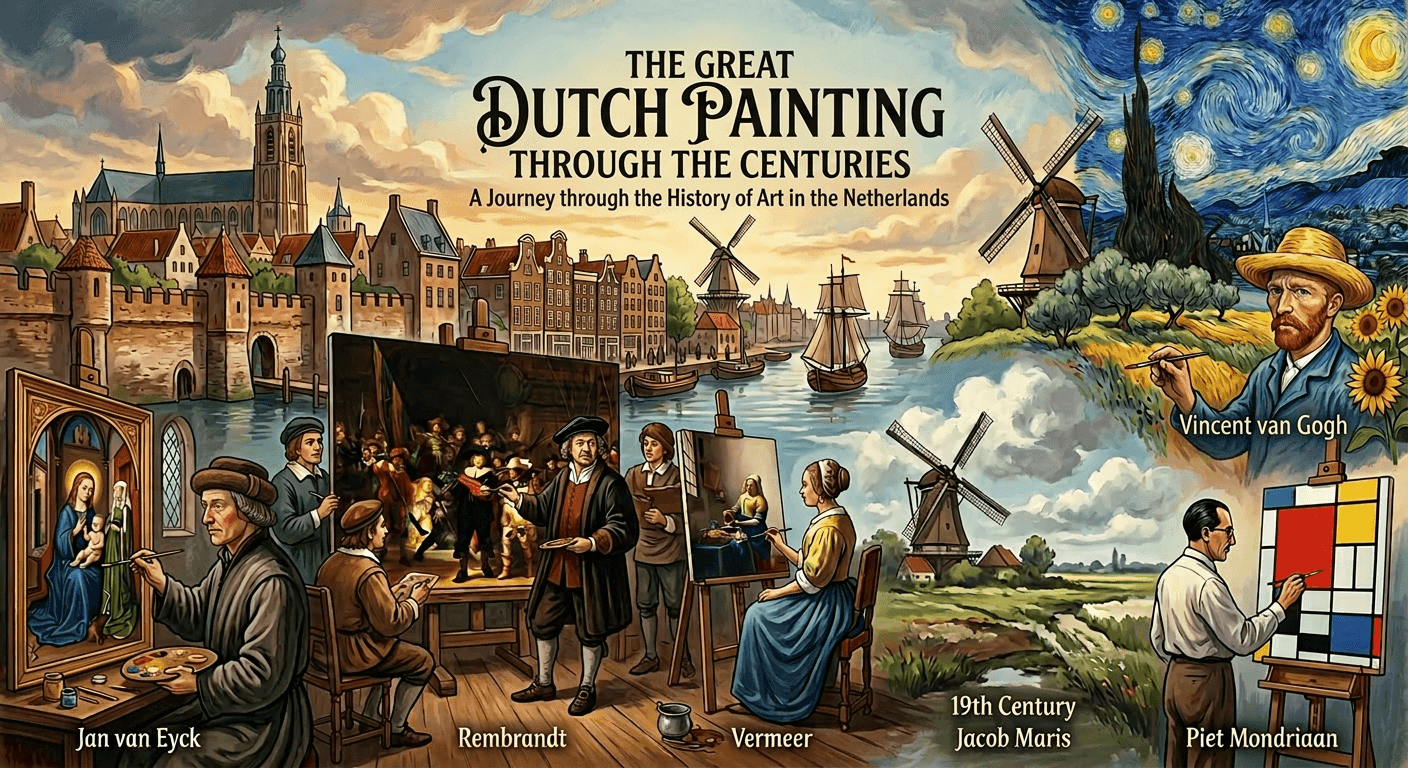
From the Dutch Masters to Modern Visionaries: The Champions League of Art and the National League of Our Gallery
Hans Heintz2 jaar geleden
The Netherlands has always punched far above its weight in the world of art. For a relatively small country, its artistic legacy is extraordinary. From the luminous paintings of the seventeenth century to the radical experiments of modernism and the diversity of contemporary art, Dutch artists have repeatedly shaped the course of international art history.
If we think of the story of Dutch art as a football league system, the seventeenth century would undoubtedly represent the Champions League. It was a golden era in which some of the most celebrated artists in history emerged from the Dutch Republic and transformed the visual language of Europe.
The Champions League: The Dutch Golden Age
The Dutch Golden Age produced a remarkable concentration of artistic brilliance. Cities such as Amsterdam, Haarlem, Delft, and Leiden became thriving centers of culture and creativity, supported by a prosperous merchant class and a strong demand for paintings.
At the very top of this artistic league stands Rembrandt van Rijn, whose unparalleled mastery of light and shadow and profound psychological insight redefined portraiture and narrative painting. Works such as The Night Watch remain among the most famous paintings in the world.
Alongside Rembrandt stands Johannes Vermeer, the quiet master of Delft. Vermeer’s intimate domestic scenes such as Girl with a Pearl Earring and The Milkmaid, capture extraordinary moments of stillness and luminous light. His refined compositions continue to inspire artists centuries later.
Another giant of the period is Frans Hals, celebrated for his energetic brushwork and lively portraits. Hals’ loose and confident painting style was centuries ahead of its time and influenced generations of modern painters.
The Golden Age also produced extraordinary landscape and maritime painters. Artists such as Jacobus Storck captured the Netherlands’ deep connection to the sea through dramatic harbor scenes and seascapes filled with ships and bustling trade. Landscape painters like Jacob van Ruisdael and Meindert Hobbema explored the Dutch countryside with remarkable atmosphere and depth.
Together, these artists created a visual culture that celebrated everyday life, commerce, nature, and the rapidly expanding world of the Dutch Republic. Their works now belong to the greatest museums and collections across the globe.
The Rise of Modern Dutch Art
The Netherlands did not stop producing influential artists after the Golden Age. In the late nineteenth and early twentieth centuries, Dutch painters once again helped shape the direction of modern art.
Perhaps the most famous of all is Vincent van Gogh, whose expressive brushwork, intense colors, and emotional depth transformed painting forever. Although largely unrecognized during his lifetime, Van Gogh’s works such as Sunflowers and The Starry Night have become among the most iconic images in art history.
Around the same time, artists such as Jan Toorop introduced Symbolism and Art Nouveau influences into Dutch painting. His work bridged different artistic movements and played a crucial role in connecting Dutch art to broader European developments.
The early twentieth century saw a flourishing of artistic experimentation. Jan Sluijters and Leo Gestel embraced the bold colors and dynamic compositions of Fauvism and Expressionism, helping to bring modernism to the Netherlands.
Another remarkable painter from this period is Ferdinand Hart-Nibbrig, associated with Luminism, whose shimmering landscapes explored the effects of light and atmosphere. Meanwhile Adriaan Lubbers developed a powerful modern style, often depicting urban architecture and city life with striking rhythm and structure.
And of course there is Piet Mondriaan, one of the pioneers of abstract art. As a leading figure of the De Stijl movement, Mondriaan reduced painting to its most essential elements: lines, primary colors, and balanced compositions. His geometric works remain among the most recognizable images of modern art.
Post-War Innovation
After the Second World War, Dutch art once again reinvented itself. One of the most influential avant-garde movements to emerge from the Netherlands was COBRA, an international collective founded in 1948.
Two of its most prominent members were Karel Appel and Corneille. Their work rejected academic conventions and embraced spontaneity, imagination, and raw expressive energy. Appel’s powerful, colorful paintings and sculptures became symbols of postwar European expressionism, while Corneille’s poetic imagery often featuring birds, women, and dreamlike landscapes, brought a lyrical dimension to the movement.
At the same time, artists such as Willem Hussem pursued a quieter but equally compelling form of abstraction. His paintings and drawings reveal a delicate balance between gesture, space, and structure.
Together, these artists ensured that Dutch art remained a vibrant and evolving force on the international stage.
The Champions League and the National League
The history of Dutch art is often told through its most famous figures: the Rembrandts, Vermeers, Van Goghs, and Mondriaans of the world. These artists form the Champions League of art history: universally recognized masters whose works define entire periods.
But art history is far richer than a handful of superstar names. Just as in football, the strength of a country’s culture also lies in its national league, a deep and vibrant field of artists who may be less internationally famous but whose work is equally compelling and historically significant.
Our Gallery: 150 Years of Dutch Artistic Innovation
This is where our gallery positions itself.
Rather than focusing on the distant past, our gallery concentrates on the last 150 years of Dutch art, i.e. from the late nineteenth century to the present day. This period represents one of the most exciting chapters in the history of Dutch painting: a time when artists explored symbolism, luminism, expressionism, abstraction, and many other forms of modern artistic expression.

Logo Bruning Heintz Fine Art
Within this rich landscape we highlight (male and female) artists such as Jan Toorop, Ferdinand Hart-Nibbrig, Jan Sluijters, Leo Gestel, Jo Koster, Adriaan Lubbers, Lou Loeber, Vilmos Huszar, Corneille, and Willem Hussem: important figures whose work played a key role in the development of modern Dutch art.
Our collection also reflects the diversity of artistic movements that have shaped Dutch art over the past century and a half. Among the movements represented are Impressionism, with its fascination for light and atmosphere; De Stijl, the revolutionary abstraction pioneered by Mondriaan and his contemporaries; the vibrant expressionism of De Ploeg from Groningen; and the poetic landscapes of the Larense School, which captured rural Dutch life with sensitivity and atmosphere.
In addition, our gallery embraces the rich field of post-war abstraction, where artists explored new visual languages through gesture, color, and form. This variety of movements illustrates how Dutch art continuously reinvented itself while remaining deeply connected to its cultural roots.
A Living Tradition
The Netherlands has a remarkable artistic tradition, one that stretches from the Golden Age masters to the innovators of modernism and the artists working today.
Our gallery celebrates this living tradition by focusing on the artists who shaped the last 150 years of Dutch art. By presenting and promoting their work, we aim to show how the spirit of Dutch creativity: bold, curious, and independent.
Because while the Champions League of art history will always belong to the great masters like Rembrandt, Vermeer, Hals, Van Gogh, and Mondriaan, the national league of Dutch art is equally rich, dynamic, and full of remarkable talent.
And it is precisely this league that our gallery is proud to represent.
Aanbevolen kunststof
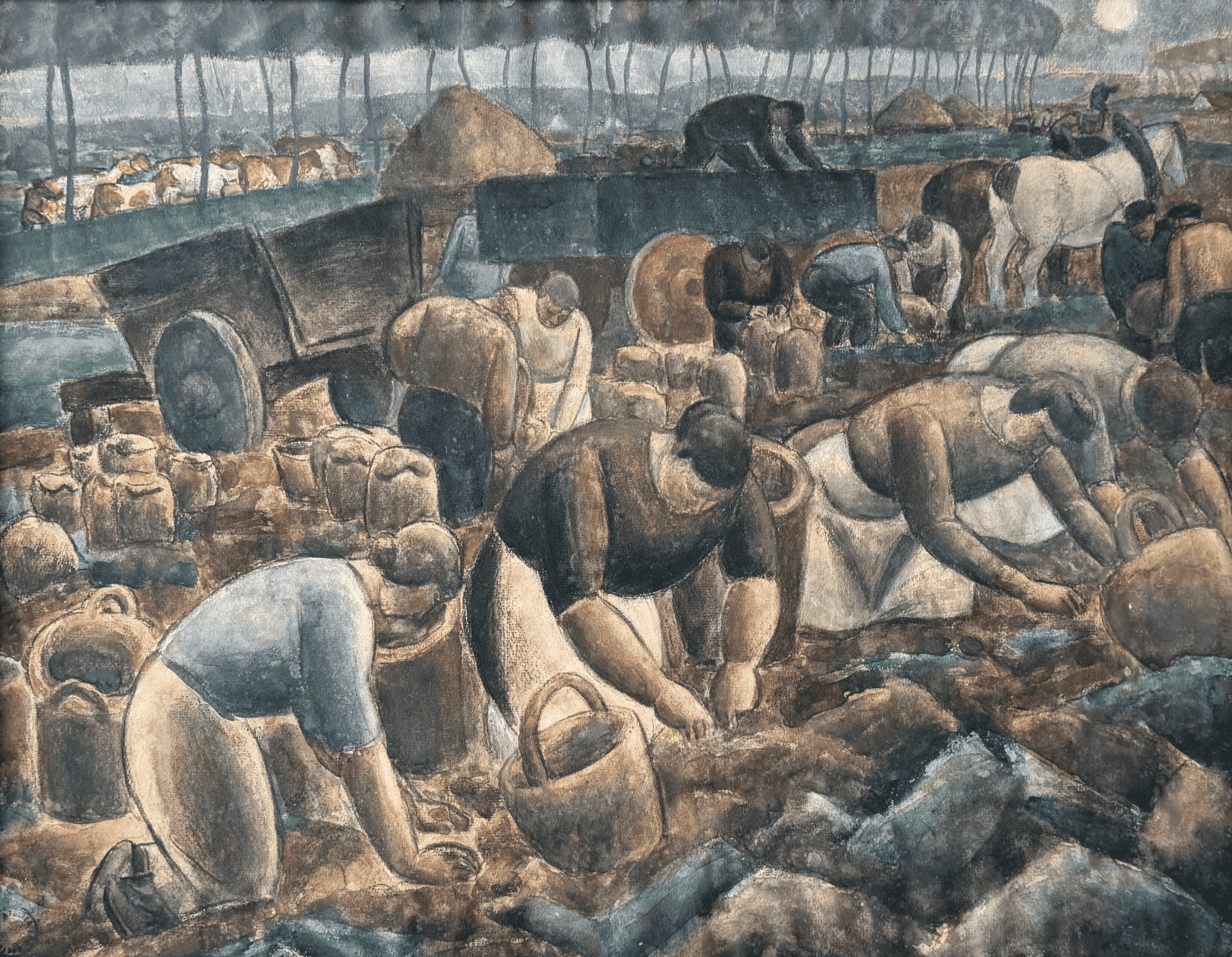
KranenburghLeo GestelBergense School
Leo Gestel in Vlaanderen
Robert Didden1 maand geleden
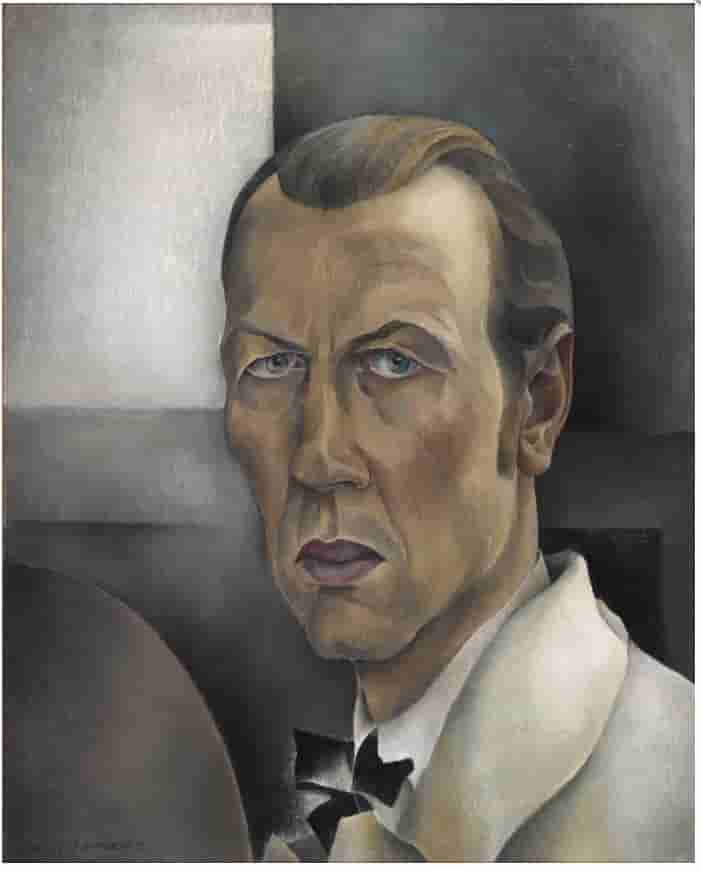
Mommie SchwarzHerman BielingLeo GestelDirk FilarskiWim SchuhmacherJan Sluijters
Wim Schuhmacher – Het vroege werk
Robert Didden29 dagen geleden
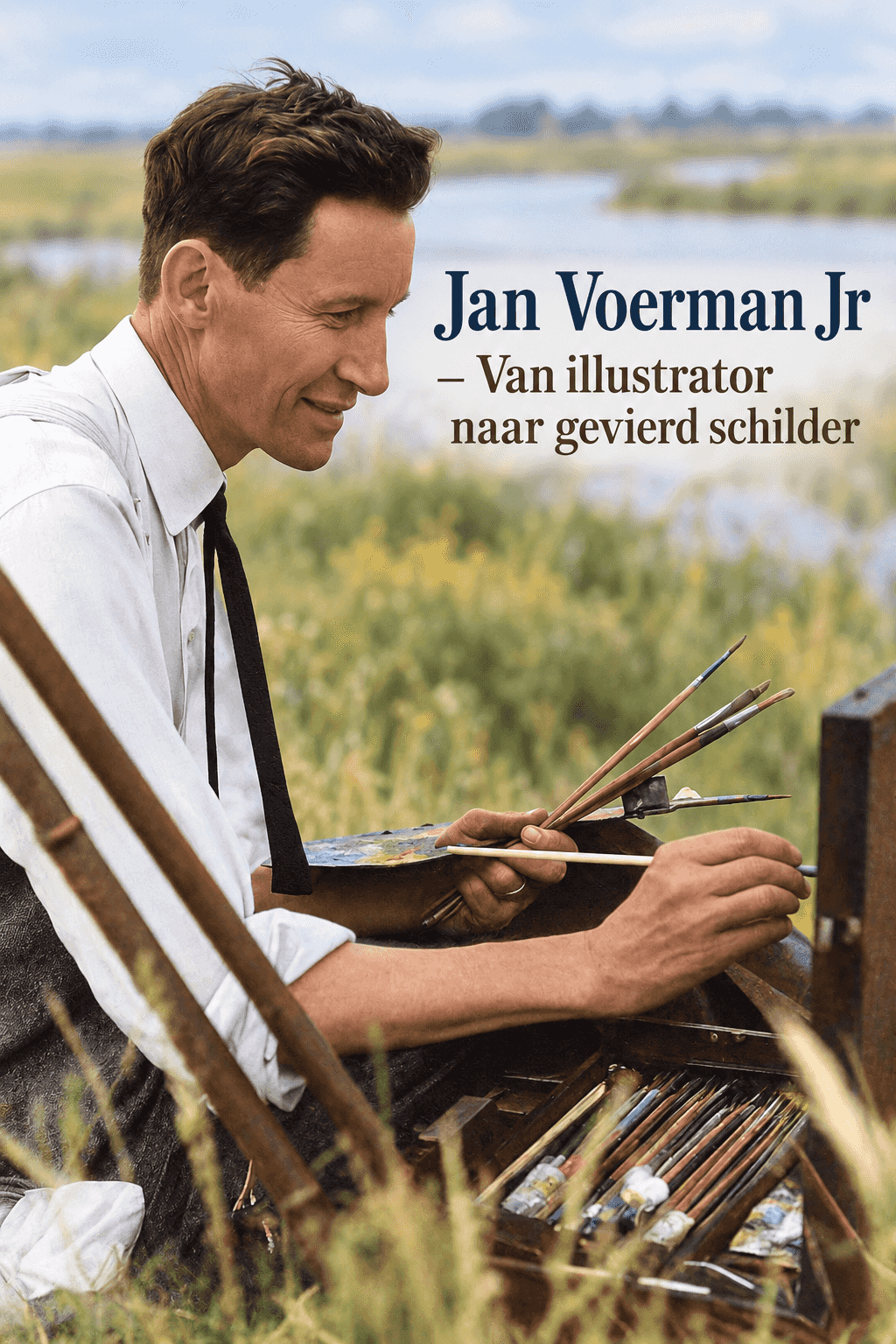
Voerman museumPeter Voermanjan voerman juniorCornelis VreedenburghVerkade albumsJan Voermanjo koster
Jan Voerman Jr – Van illustrator naar gevierd schilder
Robert Didden4 dagen geleden